
About our personas

Our personas were developed together with a Kenyan expert group consisting of journalists, feminist activists and human rights defenders during multiple co-creative sessions and workshops.

The personas and the experiences shown are meant to reflect exemplary profiles of our target group and illustrate their experiences, concerns, needs and wishes.

We want to emphasize that our set of personas cannot fully capture the complexity of these experiences or contexts.

Trigger warning‍
Please note that these personas contain references to experiences of OGBV and abuse, including threats of sexual violence.

Rose

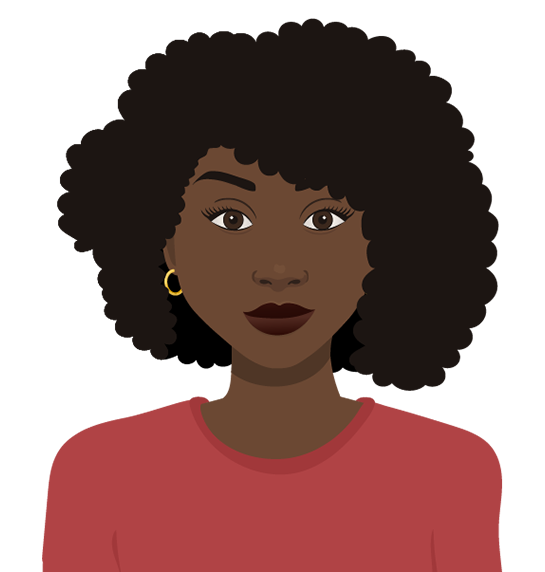
Rose is a human rights and LGBTQI+ activist in their mid-20s dedicated to advancing the rights of marginalised communities. They also work for a human rights NGO that aims to fight discrimination. Rose creates Twitter posts on their public account around inclusion, equality, and community building and post pictures of themselves with reflective and motivating comments.  

Read more
Experiences with online gender-based violence

Rose’s experience of online abuse has been infuriating and overwhelming. Pictures of them attending human rights campaigns have been repeatedly posted on Twitter without them knowing. They face gender- and identity-based attacks. Rose proactively monitors Twitter and other platforms for safety reasons to see if their name has been mentioned, or if they have been tagged.    

Occupation
Activist
Location
Mombasa

Platforms and visibility (private)

Twitter
Actively uses
10k followers
Unverified

Impacts and needs

Rose feels alone when being attacked online. Sometimes they want to abandon social media all together but feels this would let down other activists. They are struggling to balance their safety and mental health with their commitment to the causes they are passionate about. Fear of being identified in pictures makes them cautious to take part in campaigns, particularly as other activists they know have been arrested after being ‘outed’ by perpetrators of abuse.

Rose is looking for ways to handle their safety and mental health better, to learn more about local support options and above all, to hear from others and feel less alone.

< Back

Brenda

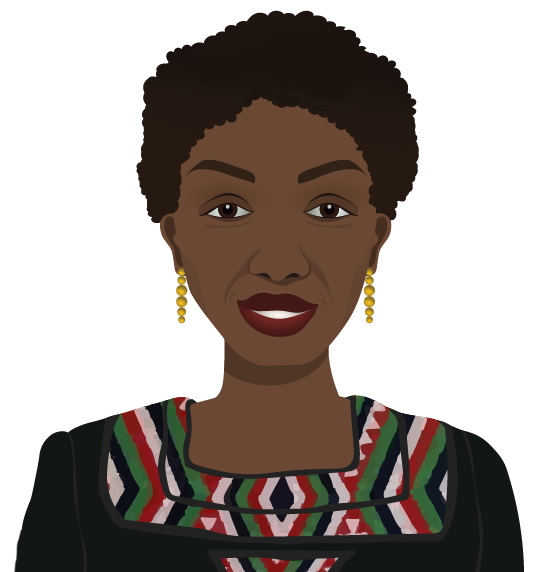
Brenda is a female politician based in Nairobi. She is a Member of Parliament and a lawmaker with a long history of commitment to equality and social justice. She is dedicated to advocating for the rights of underrepresented groups and has campaigned vocally on women’s rights and policing. As an MP she is committed to end sexual violence against women* and girls. Brenda posts her latest speeches, blog posts and parliamentary debates on her own website and shares her content and news commentary also on Twitter.

Read more
Experiences with online gender-based violence

Brenda experiences large volumes of abuse on Twitter. The abuse often focuses on personal characteristics including Brenda’s gender and physical appearance and includes derogatory sexual or sexist comments, racist comments, and combinations of these. She also receives threats of physical and sexual violence. Sometimes, when she has spoken out about a current issue, she'll receive anywhere from a few to dozens of abusive messages within a short time frame. This is especially the case if her name is trending. 

Occupation
Politician
Location
Nairobi

Platforms and visibility

Twitter
Actively uses
250k followers
Verified account

Impacts and needs

The large volume of abuse has eroded Brenda’s confidence and makes her think twice before she posts. Although she has tried blocking abusive accounts, she finds perpetrators quickly create new accounts. She has tried muting accounts but fears she will miss threats of violence that she would escalate to the police. The abuse she receives also impacts Brenda’s willingness to encourage young women in Kenya to get into politics. 

Brenda has reported online harassment both to platforms and the police, and in a few cases, this has led to platforms taking down abusive content. She wishes, she could just ignore the haters and still use her Twitter which is so vital for her socio-political engagement.

< Back

Joyce

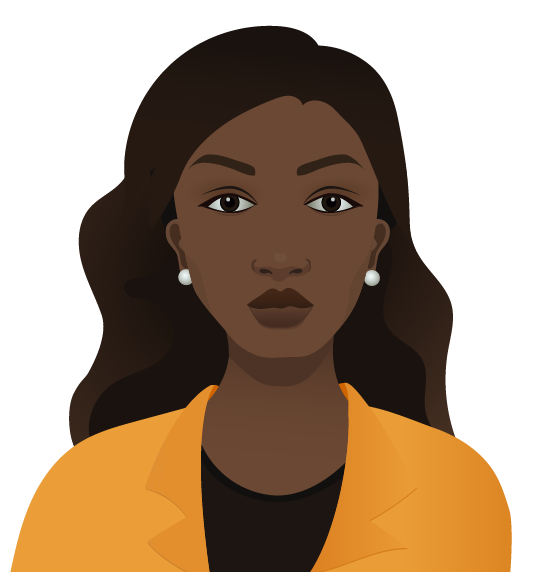
Joyce is a freelance journalist based in Kisumu, a couple of years into her career after a change of path. She writes thoughtful opinion pieces that touch on discrimination, sexism, and other political/social inequalities. She writes in Swahili and English and uses Twitter to appeal to a broader audience. Joyce feels strongly aligned to Twitter to build a public profile, gain an audience, and get paid work. Her professional and personal identities feel very intertwined, and she sometimes struggles to draw boundaries around these aspects of her life. 

Read more
Experiences with online gender-based violence

Joyce receives abusive replies when she posts and is concerned about continuing, especially since her home address was published (doxxed) on Twitter with a call to go and rape her. 

She finds reporting difficult, especially if the content she’s reporting on is in Swahili. In some cases, the abuse also may not make sense to a moderator unless they understand local context, including cultural and political events. This is even worse when she has to translate comments from local dialects, where nuance is often lost. Moreover, her report of the doxxing she experienced took as long as her report of other abusive content. She has lost faith in the reporting process.

Occupation
Journalist
Location
Kisumu

Platforms and visibility (private)

Twitter
Actively uses
15k followers
Unverified

Impact and needs

Joyce’s experience and worries about the abuse have made it difficult to sleep, which also impacts her ability to write.  Moreover, as a result of the doxxing and the rape threats associated to it, she had to move as she was afraid that someone would come to her home and turn the online threat into physical violence in the offline world.

Joyce looks for ways to report incidents in English and Swahili to be heard immediately but has lost faith in the existing reporting options when thinking about previous incidents.

< Back

Experiences with online gender-based violence

Rose’s experience of online abuse has been infuriating and overwhelming. Pictures of them attending human rights campaigns have been repeatedly posted on Twitter without them knowing. They face gender- and identity-based attacks. Rose proactively monitors Twitter and other platforms for safety reasons to see if their name has been mentioned, or if they have been tagged.    

Occupation
Activist
Location
Mombasa

Platforms and visibility (private)

Twitter
Actively uses
10k followers
Unverified

Impacts and needs

Rose feels alone when being attacked online. Sometimes they want to abandon social media all together but feels this would let down other activists. They are struggling to balance their safety and mental health with their commitment to the causes they are passionate about. Fear of being identified in pictures makes them cautious to take part in campaigns, particularly as other activists they know have been arrested after being ‘outed’ by perpetrators of abuse.

Rose is looking for ways to handle their safety and mental health better, to learn more about local support options and above all, to hear from others and feel less alone.

Experiences with online gender-based violence

Brenda experiences large volumes of abuse on Twitter. The abuse often focuses on personal characteristics including Brenda’s gender and physical appearance and includes derogatory sexual or sexist comments, racist comments, and combinations of these. She also receives threats of physical and sexual violence. Sometimes, when she has spoken out about a current issue, she'll receive anywhere from a few to dozens of abusive messages within a short time frame. This is especially the case if her name is trending. 

Occupation
Politician
Location
Nairobi

Platforms and visibility

Twitter
Actively uses
250k followers
Verified account

Impacts and needs

The large volume of abuse has eroded Brenda’s confidence and makes her think twice before she posts. Although she has tried blocking abusive accounts, she finds perpetrators quickly create new accounts. She has tried muting accounts but fears she will miss threats of violence that she would escalate to the police. The abuse she receives also impacts Brenda’s willingness to encourage young women in Kenya to get into politics. 

Brenda has reported online harassment both to platforms and the police, and in a few cases, this has led to platforms taking down abusive content. She wishes, she could just ignore the haters and still use her Twitter which is so vital for her socio-political engagement.

Experiences with online gender-based violence

Joyce receives abusive replies when she posts and is concerned about continuing, especially since her home address was published (doxxed) on Twitter with a call to go and rape her. 

She finds reporting difficult, especially if the content she’s reporting on is in Swahili. In some cases, the abuse also may not make sense to a moderator unless they understand local context, including cultural and political events. This is even worse when she has to translate comments from local dialects, where nuance is often lost. Moreover, her report of the doxxing she experienced took as long as her report of other abusive content. She has lost faith in the reporting process.

Occupation
Journalist
Location
Kisumu

Platforms and visibility (private)

Twitter
Actively uses
15k followers
Unverified

Impact and needs

Joyce’s experience and worries about the abuse have made it difficult to sleep, which also impacts her ability to write.  Moreover, as a result of the doxxing and the rape threats associated to it, she had to move as she was afraid that someone would come to her home and turn the online threat into physical violence in the offline world.

Joyce looks for ways to report incidents in English and Swahili to be heard immediately but has lost faith in the existing reporting options when thinking about previous incidents.